



Guides
Indoor vs Outdoor LED Screens: Key Differences
Nov
Indoor and outdoor LED screens can look alike in a photo, but they are built for very different conditions. Choosing the wrong type is one of the most expensive mistakes in an LED project: an indoor screen will not survive rain and sun, and an outdoor screen used indoors is often too bright, too coarse and more expensive than needed. Here are the key differences.
1. Brightness
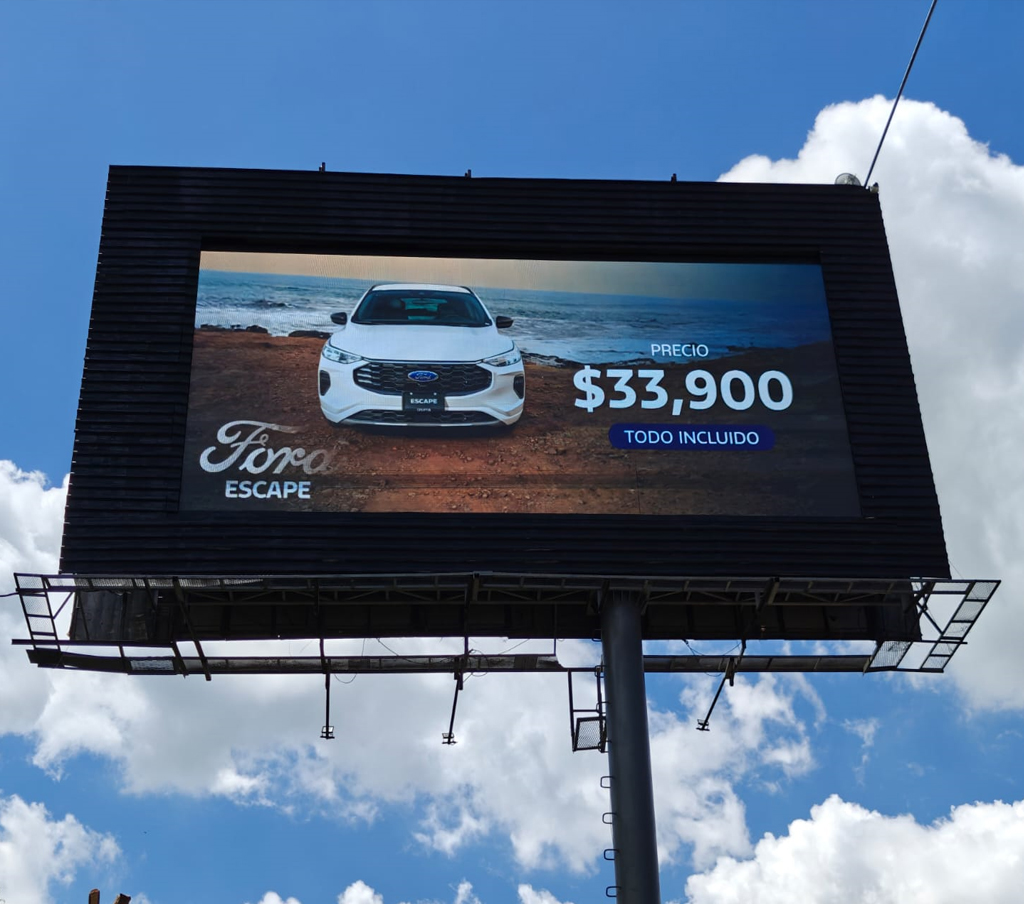
Brightness is measured in nits (candelas per square meter). Indoor LED screens usually work between about 800 and 1,500 nits, which is comfortable in a lit room. Outdoor screens need to compete with direct sunlight, so they typically start around 5,000 nits. Grecko outdoor billboards, for example, are rated at 5,000+ nits. Outdoor screens use light sensors or scheduling to dim at night, so they do not dazzle drivers or neighbors.
2. Weather protection (IP rating)
The IP rating shows how well a cabinet resists dust and water. Outdoor screens need sealed cabinets, commonly IP65 at the front, to handle rain, heat and humidity. Indoor screens have little or no water protection, which keeps them lighter, thinner and cheaper.
3. Pixel pitch and viewing distance
Indoor audiences stand closer, so indoor screens use finer pixel pitches, from about P1.2 to P4. Outdoor screens are seen from farther away, so P3 to P10 is typical. See our guide How to Choose the Right Pixel Pitch for the full rule of thumb.
4. Cabinet design and installation
Outdoor cabinets are heavier, built to resist wind load and temperature changes, and usually installed on fixed steel structures. Indoor cabinets are slimmer and lighter and can hang from walls or trusses. Rental screens for events add quick locks and curve options so crews can set them up and take them down many times.
5. Lifespan and maintenance
Both types are designed for long operation, but outdoor screens face heat, humidity, salt air and UV exposure. Good ventilation, front or rear service access and regular cleaning help them last. Plan maintenance access before installing, especially for large billboards.
6. Price
For the same pixel pitch, outdoor screens usually cost more per square meter because of their higher brightness, sealed modules and stronger cabinets. Indoor fine-pitch screens can also be expensive because of their pixel density. The right choice is the one that matches the real viewing distance and environment, not the most powerful option on the list.
Quick comparison
| Indoor | Outdoor | |
|---|---|---|
| Typical brightness | 800 – 1,500 nits | 5,000+ nits |
| Weather protection | Low or none | Sealed, typically IP65 front |
| Typical pixel pitch | P1.2 – P4 | P3 – P10 |
| Cabinet | Slim and light | Heavier, wind and heat resistant |
| Common uses | Retail, churches, lobbies, studios, events | Billboards, facades, storefronts, stadiums |
What about semi-outdoor?
Storefront windows, covered terraces and stadium concourses sit in between. They get sunlight but not rain. In those cases a high-brightness indoor screen or an outdoor screen with lower brightness settings can be the right fit. Ask our team before deciding.
Find the right screen with Grecko
Grecko LED makes indoor LED video walls, outdoor LED billboards and rental panels for indoor and outdoor events. Tell us where the screen will go and we will recommend the right model. Request a quote.